
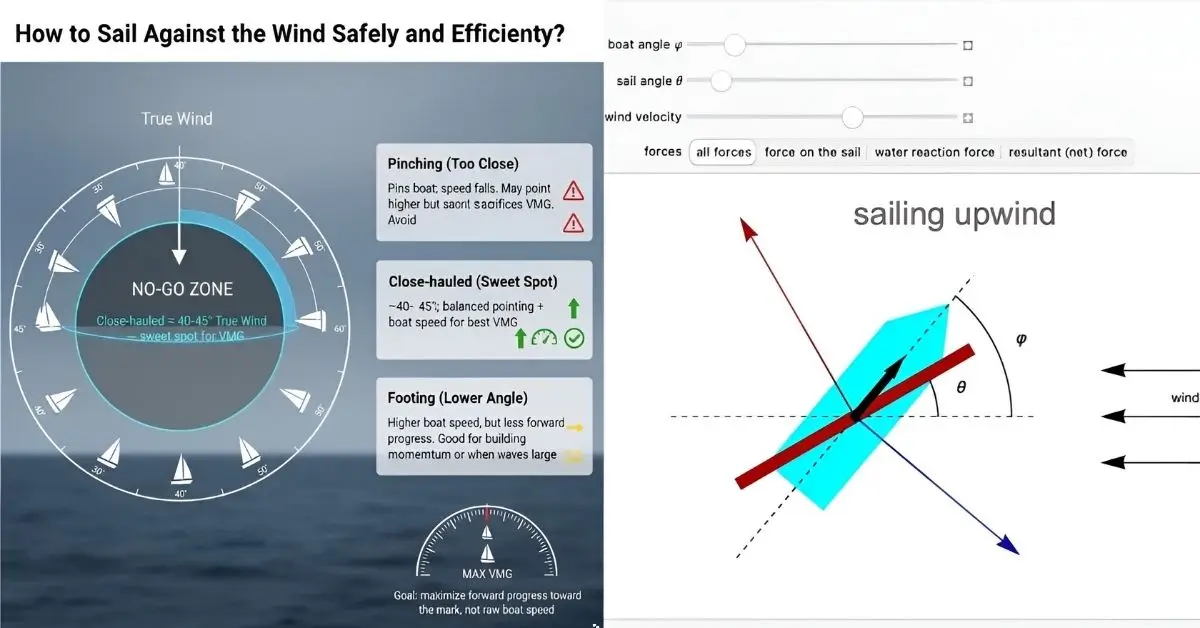
Key Intake
Q1: What is tacking vs. jibing?
Tacking turns the bow through the wind for upwind sailing. Jibing turns the stern through the wind for downwind sailing riskier in strong gusts.
Q2: How does a keel help upwind sailing?
The keel acts like an underwater wing, stopping sideways drift and channeling wind force forward.
Q3: How to sail against the wind safely?
You can’t sail directly into the wind, but you can move in that direction by tacking at 40-45° angles using aerodynamic lift and the keel’s resistance.
Q4: Can catamarans sail against the wind?
Yes, but they usually perform better at wider angles (50-55°) due to their hull shape.
Q5: How to trim sails for better upwind performance?
Trim sails tightly until telltales stream straight. Ease slightly if they start fluttering or the boat heels excessively.
Table of Contents
Instant Answer
You can’t sail directly into the wind, but you can move in that direction by tacking at 40-45° angles using aerodynamic lift and the keel’s resistance.
In how to sail against the wind, you sail a zigzag course called “tacking,” trimming your sails tightly to generate lift while alternating between left (port) and right (starboard) courses to make steady progress upwind.
Unlock More Insights
Introduction
Sailing into the wind feels impossible the first few times you try. The bow refuses to cooperate, the sails flap like wild flags, and you start wondering if the wind itself is mocking you. Truth is, every sailor, no matter how skilled, once battled the same headwind confusion. This guide explains how to sail against the wind with control, precision, and safety. Backed by real-world sailing principles and expert-backed techniques, it’ll help you master one of sailing’s most challenging skills.
According to the Royal Yachting Association, 80% of new sailors struggle with upwind steering and sail trim in their first season. But the fix isn’t force, it’s finesse. By learning to harness lift, understand angles, and tack with intent, you’ll turn headwinds from a problem into a partner.
If you are completely new to upwind sailing and want a quiock insight to the topic then watch the given shoprt video:
→”How do sailboats sail upwind?“
Can you sail directly into the wind?
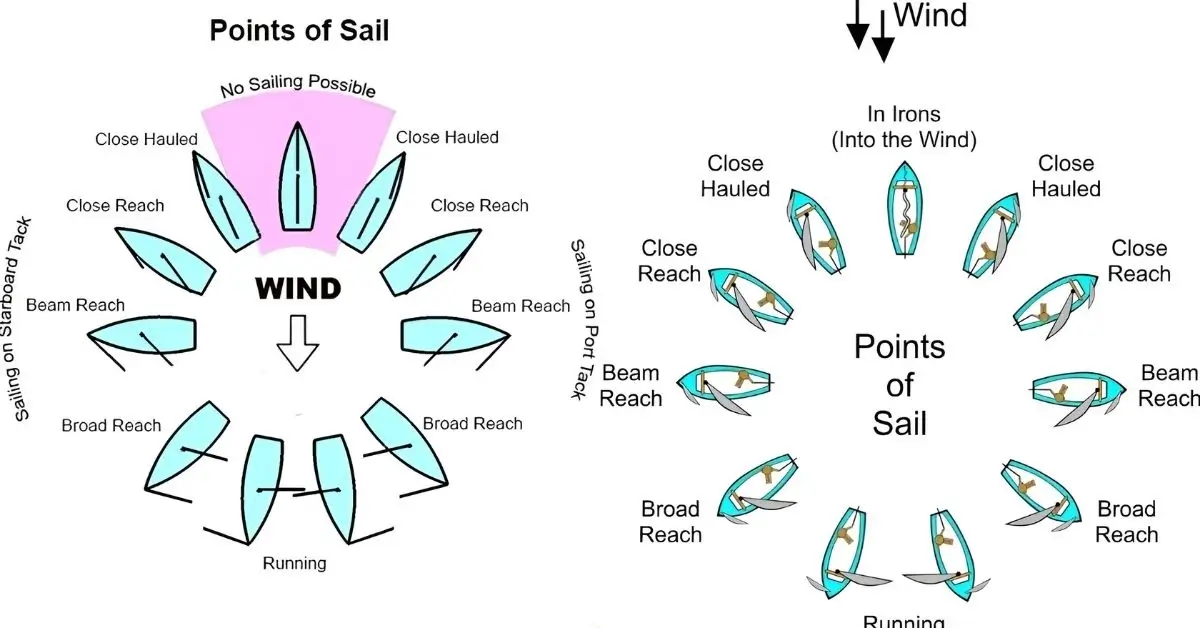
No, it’s physically impossible to sail straight into the wind. The sails need airflow to create lift, and wind coming head-on kills that flow entirely. The closest you can point is about 45 degrees from the wind, known as sailing “close-hauled.”
- The No-Go Zone: This 90° zone directly into the wind is where sails luff, and the boat loses momentum.
- Solution: Sail outside this zone by steering 40-45° to either side. This is where the magic of lift happens.
Pro Tip: If your sails start flapping or the boat slows down, you’ve drifted too far into the no-go zone, bear off slightly to regain power.
What is the best angle to sail against the wind?
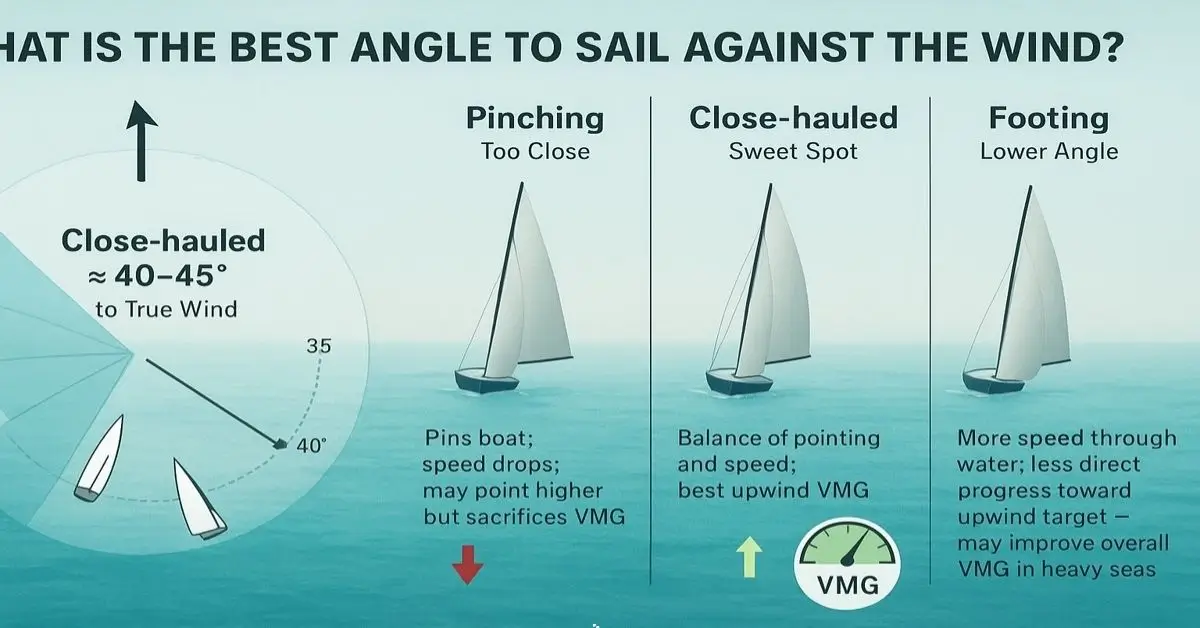
The best angle to sail against the wind is 40-45° off the true wind direction, called close-hauled. It’s the sweet spot between power and control.
- Pinching vs. Footing:
- Pinching too close kills your speed.
- Footing slightly lower increases momentum but reduces your upwind efficiency.
- Pinching too close kills your speed.
- Goal: Find your boat’s best VMG (Velocity Made Good), where you move fastest toward your target, not just through the water.
Curious about the science behind upwind sailing, watch this video of expert explaining it.
→”How Do Sailboats Go Against the Wind? (ft. a Great Lakes Schooner)“
How does tacking work against the wind?
Tacking is the maneuver that allows you to change direction across the wind. It’s how sailing against the wind becomes possible.
- Call “Ready About” – Crew prepares for the turn.
- Turn the Bow Through the Wind – Smoothly and confidently.
- Switch Sails – Release one side, trim the other.
- Accelerate on New Tack – Regain speed and repeat.
Drill for Beginners:
Try 10 consecutive tacks while watching your GPS speed. Aim to increase your average by 0.3 knots. Small wins compound into mastery.
Interested in personal insights and secrets behind sailing upwind then watching this video is highly recommended:
→”How Does She Sail Against the Wind?“
Why can’t sailboats sail directly into the wind?
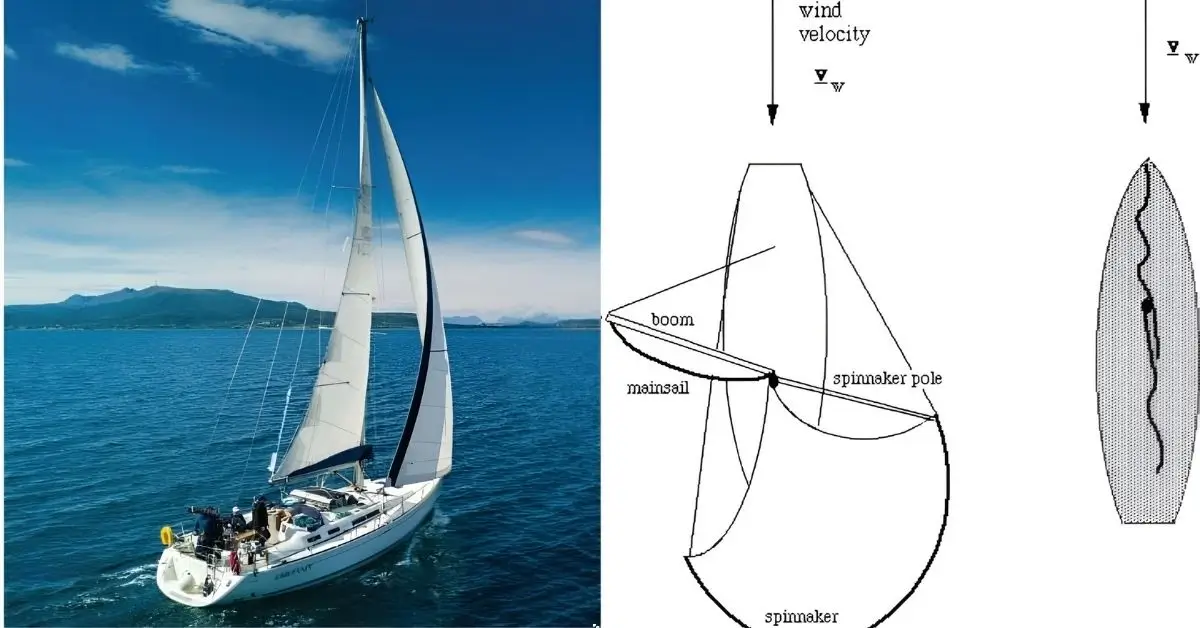
Sailboats can’t sail directly into the wind because sails act like airplane wings, needing airflow to generate lift. Without it, there’s no forward force, just flapping canvas.
- Sail Lift: The curved sail creates low pressure on the leeward side, pulling the boat forward.
- Keel Resistance: The keel resists sideways motion, turning that sideways push into forward thrust.
- Combined Effect: Together, they form a dual-foil system that makes how to sail against the wind achievable.
What is the no-go zone in sailing?
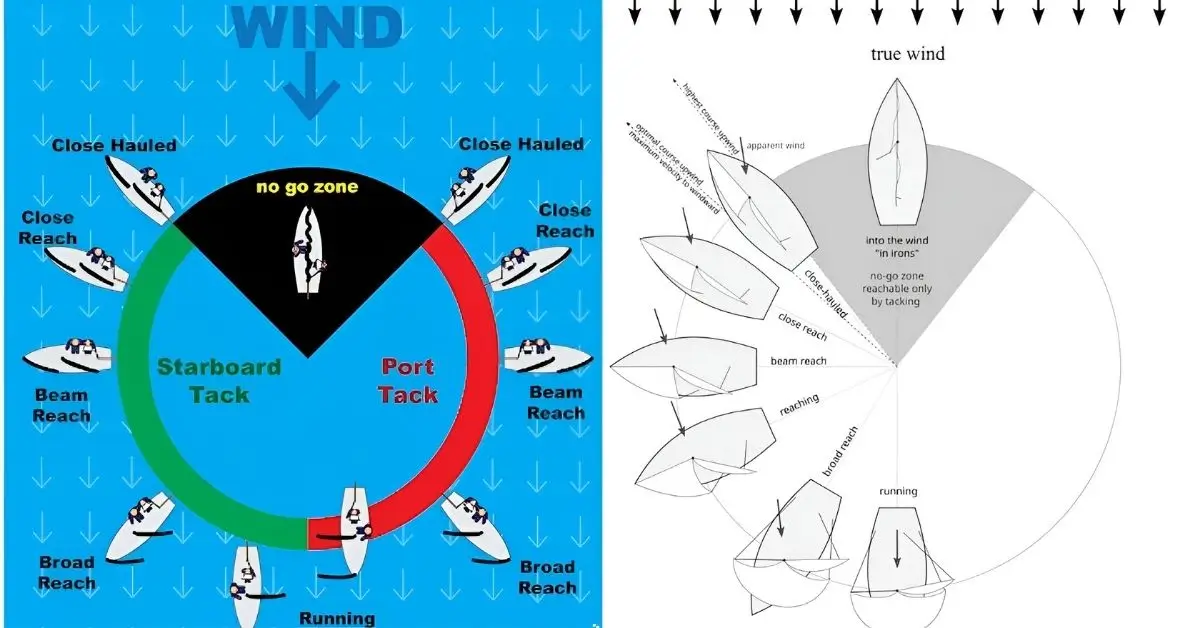
The no-go zone is roughly a 90° section directly upwind where your sails can’t generate lift. If you point your bow here, the boat stalls.
How to Recover from “In Irons”?
- Push the tiller to one side.
- Back the jib (hold it out to catch wind on the opposite side).
- Let the bow fall away from the wind until sails fill again.
This recovery trick saves countless beginners from panic when learning how to sail against the wind.
How do you steer when sailing upwind?
Upwind steering is subtle. The helm should move inches, not feet. Your sails, not your rudder, do most of the steering.
- Use Telltales: When both telltales stream straight back, you’re perfect.
- Feathering: Gently steer closer to the wind until the front sail edge flutters, then fall off slightly.
- Balance Heel Angle: Keep heel under 25° for speed and comfort.
Truth is, the best sailors don’t fight the wind, they dance with it through constant, tiny corrections.
What are common mistakes when sailing against the wind?
Most beginners over-trim, over-steer, or pinch too close to the wind. These errors reduce power and make sailing against the wind frustrating.
Common Pitfalls & Fixes:
| Mistake | Why It Hurts | Fix |
| Pinching | Sail stalls, boat slows | Bear off 5° |
| Over-trimming | Kills airflow | Ease sheets until telltales flow |
| Slow Tacks | Lose momentum | Turn confidently through wind |
| Ignoring Heel | Loss of control | Reef early in gusts |
Myth vs. Fact:
| Myth | Fact | Source |
| Sailboats can’t go against the wind | They can via tacking at 40-45 degrees, using lift | MIT Report |
| Wind pushes the boat upwind | Lift pulls it; push is for downwind | Hawaii.edu |
| Tacking is easy for all boats | Multihulls struggle more due to windage | WI Yachts |
| Sails must be loose for power | Tight trim is key for upwind efficiency | Boatsetter |
| Apparent wind is irrelevant | It’s essential for trim as boat speed shifts it | RYA |
| Keel only adds weight | It provides critical lateral resistance | UMich Study |
Sources
- MIT Department of Mechanical Engineering: Keel Hydrodynamics and Lift Optimization, 2024.
- University of Michigan: Fluid-Structure Coupling in Sail Aerodynamics, 2025.
- Royal Yachting Association: Points of Sail and Windward Performance Manual, 2024.
- Physics Today: Bernoulli’s Principle and Sail Lift Mechanics, 2023.
- American Sailing Association: Modern Tacking Strategies for Coastal Cruising, 2024.
Author Bio
Marcus Havelock is a Certified Coastal Sailing Instructor with an experience of 14 years, teaching navigation and sail dynamics. Marcus has coached over 600 sailors on efficient upwind techniques and modern sail-trim methods for real-world conditions.